
Chemical Peels
Why Choose Us
Customized peel selection based on a skin consultation
Medical-grade, professionally formulated solutions
Options ranging from zero-downtime to more intensive results
Experienced, licensed skin care professionals
Treatments for all skin types and concerns
Frequently Asked Questions:
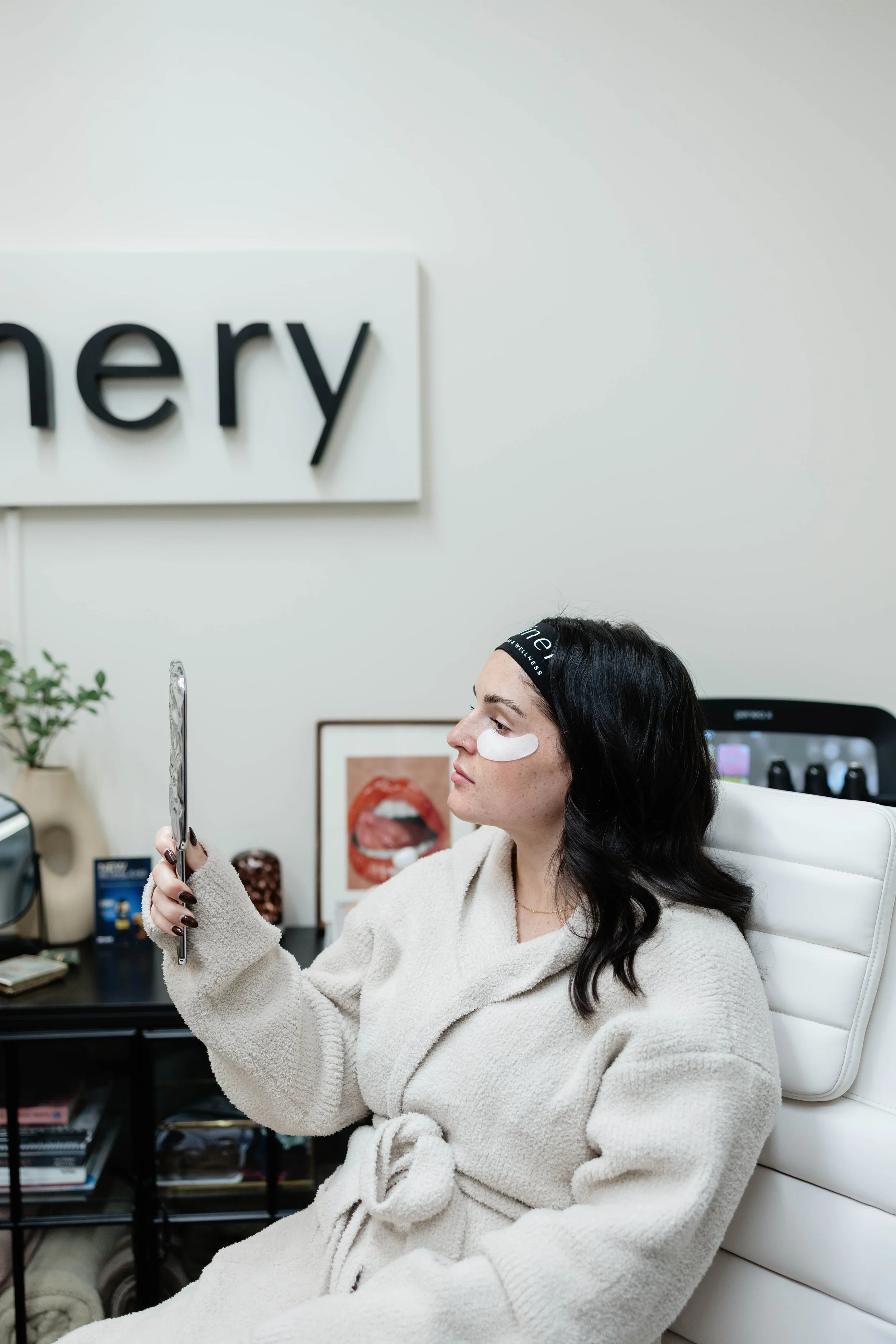
A chemical peel is a professional skin treatment that uses a controlled solution to exfoliate the outermost layers of skin, accelerating cell turnover and revealing fresher, healthier skin underneath. Peels can improve texture, tone, clarity, and firmness and because no two skin concerns are alike, we offer a range of peel types and strengths to match your specific needs and downtime tolerance.
Our Chemical Peel Menu
Mini / Zero-Downtime Peels Perfect for first-timers or anyone who needs to peel and go. These light peels gently exfoliate without visible flaking or redness, making them ideal for lunch breaks or the day before a big event. Great for maintaining glow with regular treatments.
Acne-Specific Peels Formulated with ingredients like salicylic acid to penetrate oil-clogged pores, reduce breakouts, calm inflammation, and fade post-acne marks. A go-to option for congested, acne-prone, or oily skin.
Brightening Peels Designed to target dullness, sun damage, and uneven pigmentation. These peels help fade dark spots and melasma while boosting overall radiance and evening out skin tone.
Pyruvic Peels (Tightening) A powerful option for those focused on firmness and texture. Pyruvic acid peels stimulate collagen production, tighten the look of pores, and improve skin elasticity — a favorite for aging or lax skin.
Lip & Eye Peels A specialized treatment for the delicate perioral and periorbital areas, where fine lines and thinning skin show up first. These targeted peels smooth texture, soften lines, and rejuvenate two of the most expressive — and often overlooked — areas of the face.
Jessner Peel A classic medium-strength combination peel (typically blending salicylic acid, lactic acid, and resorcinol) that exfoliates deeper than a mini peel while remaining highly customizable in strength. Effective for acne, uneven texture, mild pigmentation, and overall skin renewal, layered in multiple passes to control depth and results.
-
The best peel depends on your skin type, main concern (acne, dullness, aging, sensitivity), and how much downtime you can tolerate. During a consultation, we'll assess your skin and recommend the peel or combination of peels that fits your goals.
-
Most people feel a mild tingling, warming, or slight stinging sensation during the application, which typically subsides quickly. Deeper peels may cause more noticeable sensation, but treatments are generally well tolerated.
-
Mini peels are lighter, require little to no downtime, and are great for regular maintenance. Pyruvic and other deeper peels penetrate further to stimulate collagen and address firmness, texture, or pigmentation more aggressively but usually come with some visible peeling or redness for a few days.
-
It depends on the peel. Zero-downtime mini peels allow you to return to normal activities immediately. Acne, brightening, and pyruvic peels may cause 2–5 days of light flaking, redness, or dryness. Lip and eye peels typically involve minimal, localized peeling.
-
Yes, when performed by a trained professional using a formulation specifically designed for those thinner, more delicate areas. These peels are lighter than full-face options to protect sensitive skin while still addressing fine lines and texture.
-
Yes. Acne-specific peels help clear congested pores, reduce active breakouts, and calm inflammation. With consistent treatment, they can also improve the appearance of post-acne marks and mild scarring over time.
-
Many patients see a visible glow after just one treatment, but for concerns like acne, pigmentation, or fine lines, a series of 3–6 peels spaced a few weeks apart typically delivers the best, longest-lasting results.
-
This varies by peel strength. Mini peels can often be done every 2–4 weeks. Deeper peels like pyruvic or acne-targeted treatments are usually spaced 4–6 weeks apart to allow full skin recovery between sessions.
-
Not always — despite the name, many modern peels (especially minis) cause little to no visible flaking. Deeper peels are more likely to produce noticeable peeling for a few days as skin renews itself.
-
Before your peel, avoid retinoids, exfoliating acids, waxing, and excessive sun exposure for several days. After treatment, skip harsh exfoliants, avoid direct sun, and always wear SPF — your skin will be more sensitive as it heals.
-
Yes, in many cases. We can advise whether combining peels with treatments like Aerolase Elite Neo, microneedling, facials, or laser services makes sense for your skin and how to properly space them out.
-
Many peels are safe across skin tones, but certain deeper or more aggressive peels carry a higher risk of pigmentation changes in darker skin tones. Your provider will select a peel formulated and dosed appropriately for your skin type.
-
A Jessner peel combines multiple acids in one formula, allowing your provider to build up strength in layers and customize the depth of the peel during your treatment. This makes it a versatile option for acne, texture, and mild pigmentation, with a downtime and intensity level that falls between a mini peel and a deeper resurfacing treatment.